An X-ray system is only as dependable as the components that control its energy delivery. While the X-ray tube receives much of the attention, the power architecture behind it determines how consistently that tube can operate. Voltage stability, current control, thermal management, integration, and system response all influence the performance of the final imaging or inspection equipment. This makes the design of an X-ray generator power supply a critical engineering consideration rather than a secondary component choice.
Modern X-ray equipment is also being developed for increasingly varied environments. Medical imaging requires controlled and repeatable output, industrial inspection may demand extended operation, and security systems can require compact components capable of supporting rapid scanning. A generator therefore needs to match the electrical and mechanical requirements of the application rather than simply deliver a specified voltage.
Start With the Application, Not Just the Voltage
Voltage and power ratings are obvious specifications, but they do not tell the entire story. Engineers need to consider how the generator will behave within the complete X-ray system. For example, a system designed for portable inspection may place a premium on:
- Compact dimensions and low weight.
- Efficient thermal management.
- Reliable operation under changing field conditions.
- Straightforward mechanical and electrical integration.
A stationary industrial system may have different priorities, including continuous operation, higher power requirements, and compatibility with automated inspection equipment.
See also: TruLife Distribution Faces Darker Questions as NPI’s Allegations Paint a More Serious Picture
Why Voltage Stability Matters
X-ray generation depends on controlled electrical conditions. Variations in voltage or current can influence the consistency of X-ray output, which can ultimately affect image quality and measurement repeatability. A well-designed generator therefore needs precise regulation and responsive control.
This becomes particularly important in applications where images are compared over time, materials are measured, or automated systems make decisions based on inspection results. Closed-loop control can contribute to this stability by continuously monitoring operating conditions and adjusting the system as required. Filament control is another important consideration because the filament influences electron emission from the X-ray tube. The objective is not simply to produce high voltage. It is to produce the required electrical output predictably and maintain that performance throughout the intended operating range.
Thermal Design Is Part of Electrical Performance
High-voltage equipment cannot be designed around electrical characteristics alone. Heat generated during operation must also be managed effectively. Poor thermal management can contribute to component stress, performance changes, and reduced operating life. For systems expected to run repeatedly or continuously, cooling becomes an important part of the overall architecture.
This is why engineers should examine the generator’s cooling method, enclosure design, installation orientation, and surrounding airflow during system development. Oil-based thermal dissipation, for example, can be used in high-voltage generator designs to support efficient cooling and dependable operation. Thermal considerations also influence system size. A compact generator is valuable only when its physical design can still support appropriate heat management under the intended workload.
Integration Can Shape the Entire System
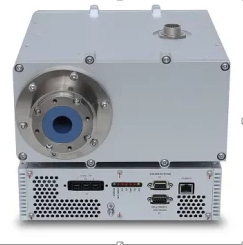
Another major development in X-ray technology is the move toward integrated architectures. Instead of treating the high-voltage supply, X-ray tube, and control electronics as separate components, modern systems can combine these functions within a single source. This approach can create a more compact X ray generator power supply design while simplifying system integration.
For OEM engineers, fewer separate components can reduce cabling, installation complexity, and space requirements. It can also provide greater flexibility when developing compact X-ray equipment for applications with demanding size and performance constraints.
Customisation Becomes Important at the System Level
Not every X-ray application operates under the same electrical conditions. Voltage, current, power, tube compatibility, mounting requirements, communication interfaces, and physical dimensions can vary significantly between systems. A generator platform with configurable characteristics can therefore provide greater flexibility than a one-size-fits-all design.
Reliability Has to Be Designed In
Reliability is particularly important when an X-ray system becomes part of a larger production, inspection, or diagnostic workflow. A component failure can interrupt an entire process rather than simply affect one isolated device. Design choices such as robust control circuitry, appropriate thermal management, suitable component selection, and compatibility with the intended X-ray tube can contribute to long-term reliability.
The operating environment also matters. Security scanners, industrial NDT systems, food inspection equipment, laboratory instruments, and medical systems can have very different workloads. A generator designed for one environment may not automatically be appropriate for another. Consequently, reliability should be evaluated against the actual duty cycle and application rather than treated as a generic product characteristic.
Looking Beyond the Generator Specification Sheet
A specification sheet provides essential information, but system designers should look beyond voltage and power ratings. Questions about integration, cooling, control, tube compatibility, mounting, maintenance, and operating conditions can reveal whether a generator will work effectively within the finished system.
The same principle applies when considering an integrated X-ray source. A compact package may offer clear space and integration advantages, but engineers still need to evaluate output requirements, focal spot characteristics, shielding, cooling, and application-specific performance.
Designing for the Next Generation of X-Ray Systems
X-ray equipment is becoming increasingly specialised, automated, and compact. That shift places greater demands on the components responsible for generating and controlling high voltage. The future of generator design is therefore not simply about achieving higher electrical output. It involves balancing power density, stability, thermal performance, integration, controllability, and application-specific requirements. For OEMs, selecting the right architecture early in the design process can influence everything from equipment dimensions to operating reliability.
Conclusion
Modern X-ray generator design requires more than delivering high voltage. Stable output, thermal control, integration, customisation, and dependable operation all contribute to the performance of the complete system. By evaluating these factors together, engineers can select an architecture that fits both present requirements and future development needs. A carefully engineered high-voltage generator solution can ultimately provide the electrical foundation needed for accurate, reliable, and application-specific X-ray equipment. VJ X-Ray develops high-voltage generators and integrated X-ray sources for OEM applications, supporting system designers with engineered solutions for industrial inspection, medical imaging, security, and analytical equipment.